
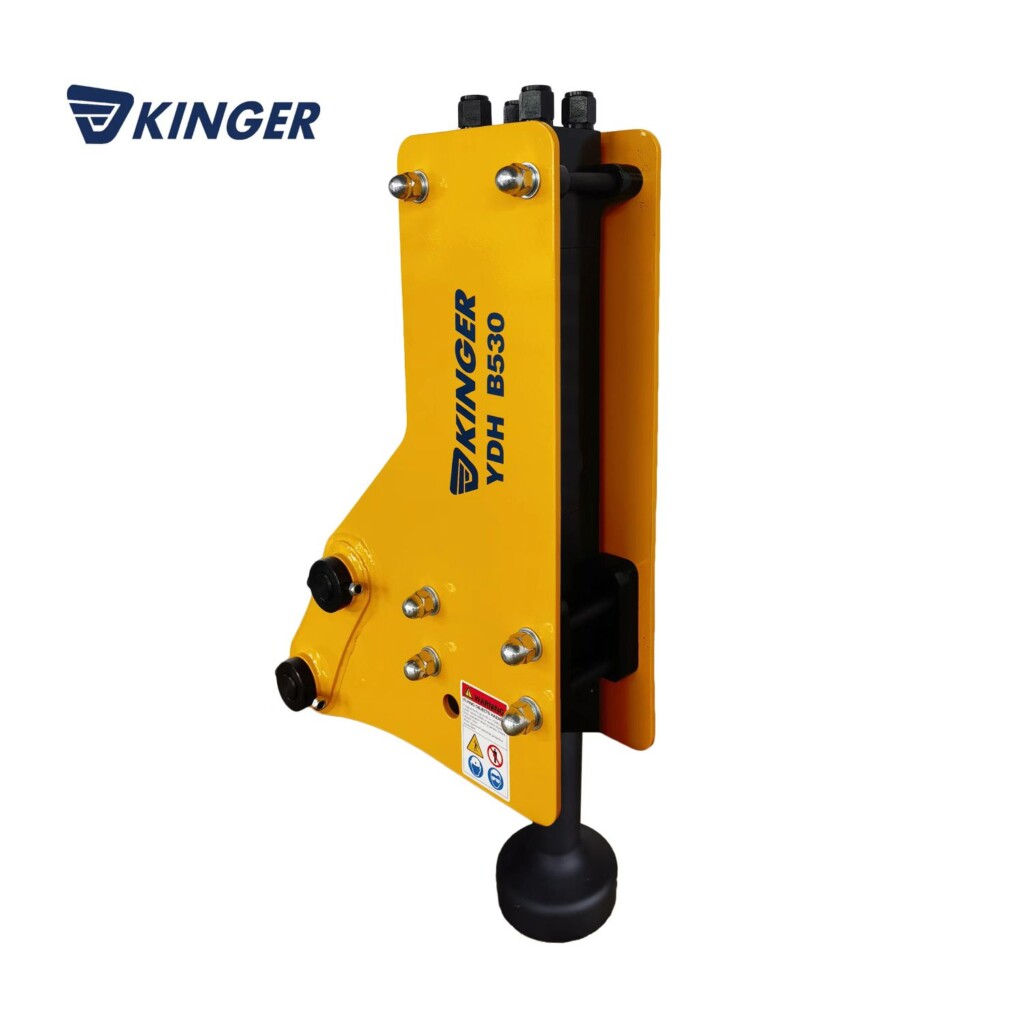
This SEO‑friendly guide is designed for website owners, B2B platforms, industrial directories, and content
marketers who want to build high‑quality pages about
industrial construction machinery manufacturers, suppliers and factory listings.
The content below is fully generic, does not promote any specific company, and focuses on
industry‑wide definitions, standards, specifications, and sourcing best practices.
Industrial construction machinery refers to heavy-duty mechanical equipment used in civil engineering,
infrastructure development, commercial building projects, industrial plant construction, mining operations,
and large‑scale material handling. Typical categories include earthmoving machinery, lifting equipment,
concrete machinery, road construction equipment, foundation machinery, tunneling equipment and
demolition machinery.
In B2B sourcing terms, industrial construction machinery manufacturers are companies that design
and produce machines and components; suppliers are distributors, trading companies, dealers and
integrators that provide equipment to end users; and factories are production facilities that
handle manufacturing, assembly, testing and quality control for original equipment manufacturers (OEM) and
private label brands.
A well‑structured online directory or industry page about industrial construction machinery best
manufacturers, suppliers and factory listings should include clear definitions, standardized
specifications, comparison tables, quality requirements, and purchasing guidelines to help buyers
evaluate machinery across global markets.
Construction machinery is essential for efficient, safe and cost‑effective project execution. Whether a buyer
works with top industrial construction machinery manufacturers or local construction machinery suppliers,
the benefits are broadly similar.
Higher productivity: Modern heavy equipment dramatically increases earthmoving,
lifting, mixing and compaction rates compared to manual labor or small tools.
Improved safety: Specialized machinery reduces the need for hazardous manual work,
lowering accident rates on construction sites when operated correctly.
Lower total project cost: Although industrial machines are capital‑intensive,
they reduce labor hours, project delays and rework, resulting in lower total cost of ownership.
Consistent quality: Machines can deliver repeatable compaction density, concrete
quality, precision lifting and accurate grading that meet engineering standards.
Enhanced versatility: A wide range of attachments and configurations allow a single
machine to perform multiple tasks such as digging, loading, breaking, grading or lifting.
Scalability: Using equipment from leading construction machinery factories enables
contractors to scale operations from small building sites to large infrastructure projects.
Compliance with regulations: Certified industrial construction machinery helps
contractors meet safety, emissions, noise and environmental standards in different regions.
Industrial construction machinery covers a wide range of equipment categories. The following sections provide
generic descriptions that can be used on directory pages when listing manufacturers, suppliers and factories.
Earthmoving machinery includes equipment used for excavation, loading, hauling, grading and site preparation.
Typical machines in this segment are excavators, wheel loaders, bulldozers, motor graders, backhoe loaders and
articulated dump trucks.
| Machine Type | Typical Applications | Key Performance Metrics |
|---|---|---|
| Hydraulic Excavator | Trenching, foundation excavation, mining, demolition | Operating weight, bucket capacity, digging depth, engine power |
| Wheel Loader | Material loading, stockpile handling, aggregate yards | Bucket capacity, breakout force, tipping load, travel speed |
| Bulldozer | Land clearing, grading, pushing soil and rock | Blade capacity, drawbar pull, operating weight, track width |
| Motor Grader | Road base leveling, fine grading, slope finishing | Blade length, moldboard range, engine power, articulation angle |
| Backhoe Loader | Small excavation, utility work, loading and backfilling | Backhoe digging depth, loader capacity, operating weight |
Concrete construction machinery covers all equipment used for producing, transporting, placing and finishing
concrete on industrial and civil projects. Examples include concrete batching plants, transit mixers,
concrete pumps, concrete mixers and shotcrete equipment.
| Equipment | Function | Key Specifications |
|---|---|---|
| Concrete Batching Plant | Batching and mixing aggregates, cement, water and admixtures | Theoretical capacity (m³/h), mixer type, aggregate bins, automation level |
| Transit Mixer (Truck Mixer) | Transporting and agitating ready‑mix concrete | Drum capacity, drum speed, drive type, discharge height |
| Concrete Pump (Truck‑mounted / Trailer) | Pumping concrete to forms, slabs, columns and high‑rise structures | Max output, pumping pressure, vertical/horizontal reach, boom sections |
| Concrete Mixer (Stationary / Mobile) | Small and medium‑volume concrete mixing | Mixing volume, power, drum type (tilting or non‑tilting) |
Lifting machinery includes cranes, hoists, forklifts and specialized lifting platforms used to move heavy
materials vertically and horizontally on construction sites and in industrial plants.
| Equipment Type | Primary Use | Core Parameters |
|---|---|---|
| Tower Crane | High‑rise building material lifting and positioning | Max load, jib length, free standing height, max under‑hook height |
| Mobile Crane | General lifting, plant erection, infrastructure assembly | Rated capacity, boom length, axle configuration, outrigger span |
| Rough Terrain Crane | Lifting in off‑road or uneven terrain job sites | Lift capacity, boom length, gradeability, tire configuration |
| Forklift Truck | Material handling in warehouses, yards and precast plants | Rated load, lift height, mast type, power source (diesel, LPG, electric) |
| Aerial Work Platform (AWP) | Elevated access for installation, maintenance and finishing | Platform height, load, outreach, type (scissor, boom, articulated) |
Road construction equipment is essential for base course preparation, asphalt paving, soil stabilization and
surface finishing. Industrial buyers frequently source such machinery directly from road machinery
manufacturers and specialized compaction equipment factories.
| Machine | Typical Role | Key Parameters |
|---|---|---|
| Asphalt Paver | Laying asphalt mix to required thickness and width | Paving width, paving thickness, hopper capacity, screed type |
| Road Roller / Compactor | Compacting soil, aggregate base, and asphalt layers | Operating weight, drum width, vibration frequency, static line load |
| Cold Planer / Milling Machine | Removing asphalt layers, road rehabilitation | Milling width, milling depth, drum rotation speed, conveyor capacity |
| Soil Stabilizer | Mixing stabilizing agents with soil or base materials | Mixing width, mixing depth, rotor speed, engine power |
For large industrial and infrastructure projects, dedicated foundation and tunneling machinery is required to
construct deep foundations, tunnels, shafts and retaining structures.
| Equipment | Use Case | Major Specifications |
|---|---|---|
| Rotary Drilling Rig | Bored piles, diaphragm walls, deep foundation drilling | Max drilling depth, hole diameter, torque, pull‑down force |
| Pile Driving Rig | Driving steel, concrete or timber piles | Impact energy, hammer weight, pile length, stroke rate |
| Tunnel Boring Machine (TBM) | Excavating tunnels in rock or soft ground | Bore diameter, cutterhead power, thrust force, advance rate |
| Shotcrete Robot | Spraying concrete for tunnel linings and slope stabilization | Reach, boom articulation, concrete output, nozzle control type |
When building a construction machinery manufacturers and suppliers directory, it is useful to
structure technical data in standardized fields. The following table summarizes common parameters used across
multiple machine types.
| Specification Field | Description | Applies To |
|---|---|---|
| Operating Weight | Total weight of machine in working condition | Excavators, dozers, rollers, loaders, cranes |
| Engine Power | Rated power output of prime mover, typically in kW or HP | All self‑propelled machinery |
| Rated Load / Capacity | Maximum safe working load or bucket capacity | Loaders, forklifts, cranes, concrete mixers, pumps |
| Dimensions | Overall length, width, height, transportation dimensions | All machines, especially those transported by road |
| Hydraulic System Pressure | Maximum operating pressure of hydraulic circuits | Excavators, cranes, drilling rigs, concrete pumps |
| Travel Speed | Maximum forward and reverse speed | Mobile equipment: loaders, cranes, graders, rollers |
| Fuel Type and Consumption | Diesel, gasoline, electric or hybrid; typical fuel usage per hour | All engine‑powered equipment |
| Emission Standard | Compliance with Tier 3, Tier 4, Stage V, or regional norms | Diesel and gas‑powered industrial machinery |
| Control System | Manual, hydraulic, electro‑hydraulic, or fully electronic control | Excavators, cranes, pavers, batching plants |
| Safety Features | ROPS/FOPS cabins, overload protection, limit switches, alarms | All heavy equipment categories |
Many B2B buyers search for the “best industrial construction machinery manufacturers, suppliers and factories”
but do not clearly distinguish between these roles. A detailed industry page should explain the terms below to
help users analyze each listing accurately.
Manufacturers are entities that design, engineer and produce industrial construction machinery
under their own brand or as original equipment manufacturers (OEM) for other brands. They manage product
development, prototyping, component sourcing, assembly, testing and certification. Top manufacturers often
operate multiple construction equipment factories in different regions to optimize logistics and
service.
Suppliers include authorized dealers, importers, regional distributors and trading companies
that sell equipment from one or multiple manufacturers. A supplier often manages:
When building a construction machinery supplier directory, it is useful to tag listings with their
authorized brands, coverage region and service capabilities.
Factories are the actual production sites where machinery and components are manufactured. A
single manufacturer may own several factories focused on different product lines (for example, one factory for
excavators and another for road rollers). In a B2B directory, factory‑level details are important for buyers
looking for OEM/ODM partnerships, customized solutions or large‑volume orders.
Typical attributes of professional industrial construction machinery factories include:
For search‑engine‑friendly content, a clear hierarchical structure and keyword‑rich headings help search
engines understand the topic. Below is an example layout that can be adapted for a B2B portal or industrial
directory focusing on industrial construction machinery best manufacturers, suppliers and factory listings.
| Level | Category Example | Notes |
|---|---|---|
| Level 1 | Industrial Construction Machinery | Main landing page targeting core keywords. |
| Level 2 | Earthmoving Machinery Manufacturers | Sub‑page listing excavator, loader, bulldozer producers. |
| Level 2 | Concrete Machinery Suppliers | Sub‑page for batching plants, pumps, mixers, transit mixers. |
| Level 2 | Road Construction Machinery Factories | Sub‑page for pavers, rollers, milling machines, stabilizers. |
| Level 3 | Hydraulic Excavator Manufacturers Directory | Drill‑down page for specific machine type. |
| Level 3 | Tower Crane Suppliers Directory | Drill‑down page focusing on crane equipment. |
| Level 3 | Concrete Batching Plant Factories | Drill‑down page for concrete production lines. |
While company names and contact details are not included here, a typical listing template for industrial
construction machinery manufacturers and suppliers can use the following structure:
| Field | Purpose |
|---|---|
| Company Type | Manufacturer / Supplier / Factory / OEM / ODM |
| Main Product Categories | Excavators, cranes, concrete pumps, rollers, etc. |
| Target Industries | Civil construction, mining, road building, industrial plants |
| Production Capacity | Annual units, plant area, number of production lines |
| Certifications | ISO 9001, ISO 14001, ISO 45001, CE, other regional approvals |
| Key Markets Served | Regions or countries supplied (EU, North America, Asia, etc.) |
| Support and Services | After‑sales, spare parts, technical training, on‑site service |
Industrial buyers using construction machinery factory listings must evaluate quality systems
and safety compliance. Reliable manufacturers and suppliers adhere to international and regional standards
governing design, production and operation of heavy equipment.
ISO 9001: Specifies requirements for a quality management system, ensuring repeatable
processes and consistent product quality in construction machinery factories.
ISO 14001: Environmental management standard, showing that the manufacturer manages
environmental impacts of its operations.
ISO 45001 / OHSAS 18001: Occupation health and safety standards applicable to industrial
manufacturing facilities.
The exact standards depend on the target market. Examples of safety‑related regulations affecting industrial
construction machinery include:
FOPS (Falling Object Protective Structure).
A good B2B directory can support buyers by allowing them to filter manufacturers and suppliers by relevant
certifications and conformity marks.
Although directory pages cannot provide personal reviews for each listed company, they can guide users with
transparent evaluation criteria. Below are commonly used factors when comparing
industrial construction machinery manufacturers, suppliers and factories.
Many international buyers look for OEM (Original Equipment Manufacturer) and
ODM (Original Design Manufacturer) services when selecting construction machinery factories.
A well‑built directory page can explain these models clearly.
In an OEM arrangement, the factory manufactures machinery according to the buyer’s design, brand and
specifications. The buyer controls product configuration and marketing, while the factory focuses on production
and quality control.
In an ODM arrangement, the factory provides complete product designs and allows buyers to rebrand them. This is
common in standardized equipment segments where buyers prioritize speed to market over unique designs.
Shipping industrial construction machinery from factories to global buyers requires careful planning. An
educational section about logistics can add value to a directory or industry page.
Disassembly and packing: Large machines may be partially disassembled to fit in
containers or on flat‑rack transport. Components are strapped, blocked and braced following shipping
standards.
Corrosion protection: Exposed metal parts are protected by coatings, wraps or VCI (Volatile
Corrosion Inhibitor) materials, especially for sea freight.
Documentation: Bill of lading, packing list, commercial invoice, origin certificates,
inspection reports and manuals accompany shipments.
Incoterms: Common trade terms include EXW, FOB, CIF, CFR and DAP, defining responsibility
for transport, insurance and customs clearance between buyer and seller.
Modern industrial construction machinery manufacturers integrate digital technologies to optimize
performance, maintenance and fleet management. Directory content addressing these trends can attract advanced
buyers and improve keyword coverage.
Telematics and IoT: Machines equipped with telematics devices transmit real‑time data on
location, fuel consumption, engine hours and fault codes to web portals or apps.
Predictive maintenance: Data analytics and remote diagnostics reduce downtime by identifying
potential failures before they occur.
Automation and semi‑autonomous functions: Features such as grade control, machine guidance
and payload weighing improve operator efficiency.
Digital documentation: Electronic parts catalogs, service manuals and training videos are
increasingly provided by manufacturers and suppliers for easier support.
For website owners and marketers, the goal is not only to present accurate industrial information, but also to
ensure that search engines recognize the page as a comprehensive resource on
industrial construction machinery best manufacturers, suppliers and factory listings.
Use descriptive headings: Include key phrases such as “industrial construction machinery
manufacturers”, “construction equipment suppliers” and “heavy machinery factories” in H1–H3 tags in a
natural way.
Optimize meta tags: Set unique, keyword‑rich titles and descriptions for each category page
without keyword stuffing.
Structured data markup: For listing pages, consider adding schema.org markup for
Organization, Product and AggregateRating (when user reviews are available).
Internal linking: Link between related categories (e.g., from the excavator manufacturers
page to hydraulic component suppliers) to spread authority and improve crawlability.
Include comparison tables: Tables highlighting specification fields, categories and
evaluation criteria improve user experience and can generate rich results in search engines.
Long‑form informational content: Combine directory listings with educational sections like
those provided in this article to target both transactional and informational queries.
Industrial construction machinery is a complex, capital‑intensive field that requires reliable
manufacturers, professional suppliers and well‑managed factories. A high‑quality, SEO‑optimized directory or
industry page should:
By following the structures, descriptions and specification examples in this guide, website owners can build
comprehensive, user‑approved pages about industrial construction machinery best manufacturers, suppliers
and factory listings that are attractive to both search engines and professional buyers.
```
Šioje svetainėje naudojami slapukai, siekiant užtikrinti, kad mūsų svetainėje gautumėte geriausią patirtį.


 English
 Español
 Portugues
 Français
 Italiano
 Nederlands
 Polski
 Română
 Hrvatski



 Whatsapp
 Telefonas
komentuoti
(0)